


![Alexander Oki ‘28 picks up trash in the lower parking lot Feb. 20. According to Keep America Beautiful, the majority of the trash found on both roads and waterways consists of fast food wrappers and packaging, receipts and plastic beverage bottles. Clubs like the National Honor Society (NHS) offer students the opportunity to earn service hours by cleaning up the trash in the parking lots. “[The trash] makes us look very unhygienic and unmotivated to be a proper school,” Emberlyse Vidal ‘28 said. “It makes us look like we just don't care about our students' environments.”](https://rockmediaonline.org/wp-content/uploads/2026/03/20260220_1355020-2-1200x904.jpg)


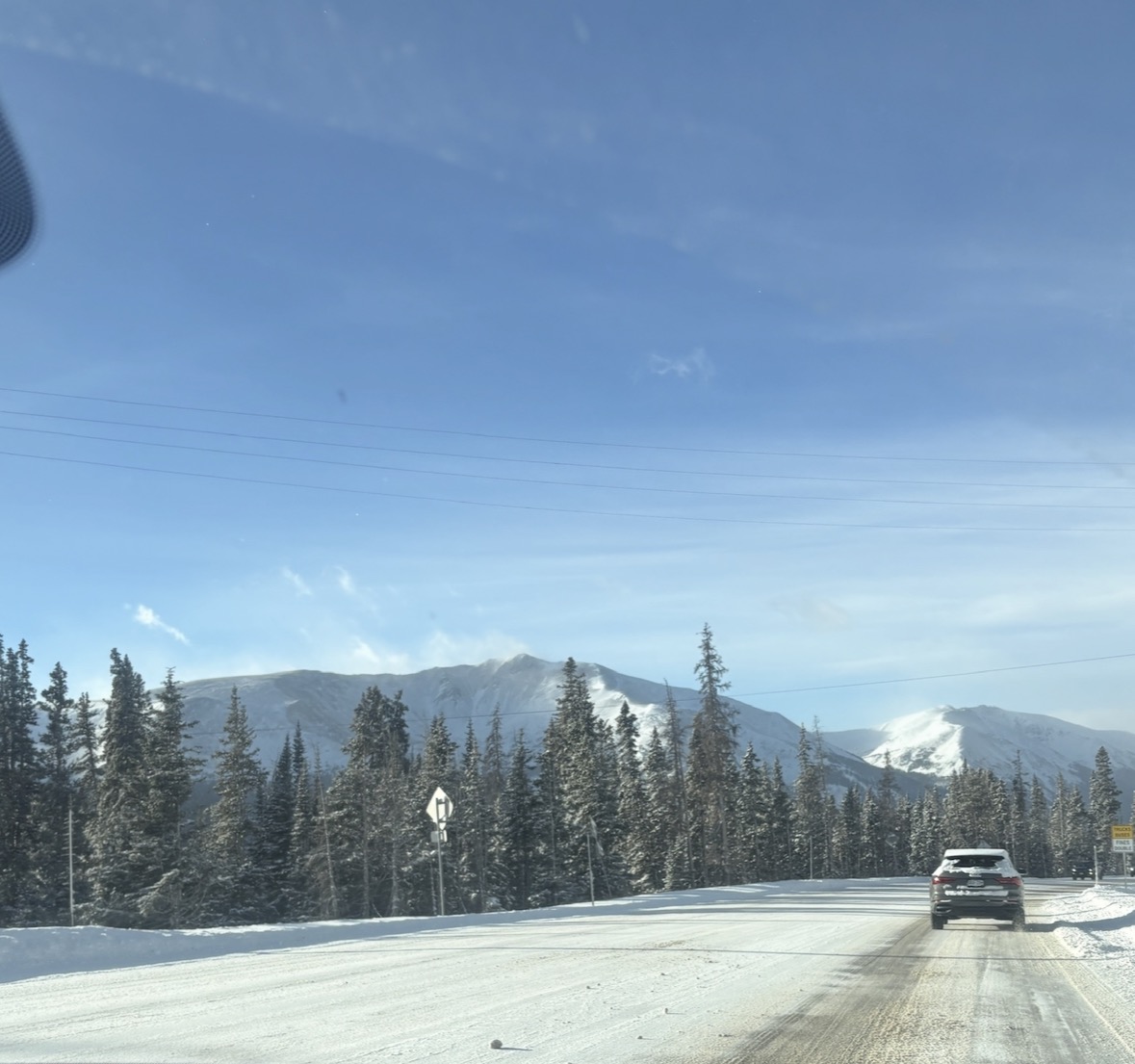
Colorado has been experiencing an exceptionally warm winter with minimal snowfall and record-breaking high temperatures.
According to the University of Denver, Colorado has recorded 35 days with temperatures reaching 60 degrees or higher. Because of these warm temperatures, Denver has surpassed the previous record, which was set in 1980-1981.
The average winter temperature from the 2023-2024 season in the Denver area was 35°F, this year, the average is 42.3°F.
“I feel like this season is a failure of winter,” Kailey Cunningham ‘29 said.
These high temperatures have also brought little precipitation. Due to the lack of snow and rainfall, Colorado has been experiencing increased wildfire risks, reduced snowpack and water storage concerns.
“Personally, I haven’t seen any fires yet, but I have seen news stories and people talking about the fires and risks,” Taylor Wilson ‘27 said.
Wildfire risk maps show that the majority of Colorado has high to moderate wildfire intensity. The minimal snow limits the moisture in the soil and vegetation, which then makes it easier for fires to start and spread fast.
There has also been the issue of tourism. One of the biggest attractions in Colorado is the ski resorts. Ski resorts like Keystone only have around 70% of trails open due to the lack of snow. Runs that are open still consist of spots of dirt and the tops of trees sticking out of the ground.
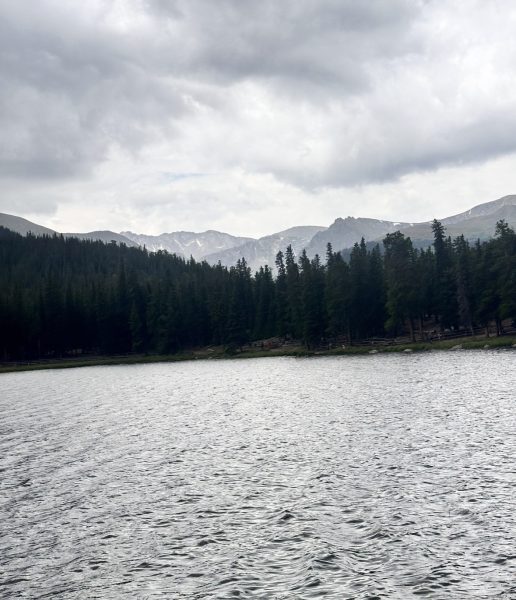
“When I went up to go snowboarding recently, the snow conditions were pretty bad, and it was less enjoyable because of how much less snow there was,” Anna Mundt ‘27 said.
Because of the low snowpack levels, reservoirs like the Aurora reservoir sit at only 59% full. A big aspect to water storage is spring runoff. Minimal snowpack means minimal runoff, leading to less accessible water for the second half of 2026.
To combat this weather crisis, you can make simple changes throughout your daily tasks, such as shorter showers, pausing the water while brushing your teeth and washing dishes, reducing energy consumption by setting thermostats to 68°F or lower, cleaning furnace filters, and using ceiling fans to circulate heat.
Brunda • Mar 30, 2026 at 4:51 pm
I really liked reading about the environmental issues happening in Colorado right now, keep it up!
Sarah Jun • Mar 30, 2026 at 4:36 pm
I enjoyed this article explaining what’s going on with the warm winter in Colorado! The stats and student quotes made it feel more real and a lot easier to understand. It’s crazy to see how little snow there is this year and how it’s affecting things like skiing and wildfire risk. I would love to see more about environmental issues and what might happen in the future if this keeps going.
Saanvi • Mar 28, 2026 at 7:19 pm
I really liked how this article connected the warmer winter to real impacts like wildfire risk and water supply. It made the issue feel more serious and relevant, especially with the student perspectives adding a personal touch.